The music industry’s relentless churn has claimed two more emerging artists, as Memphis rapper GloRilla’s affiliate Slime Roni and fellow artist Gloss Up Crie$ have been released from their record deals. This development highlights the precarious nature of modern label contracts and the intense pressure on artists to deliver immediate, 𝓿𝒾𝓇𝒶𝓁 success in an oversaturated digital landscape.
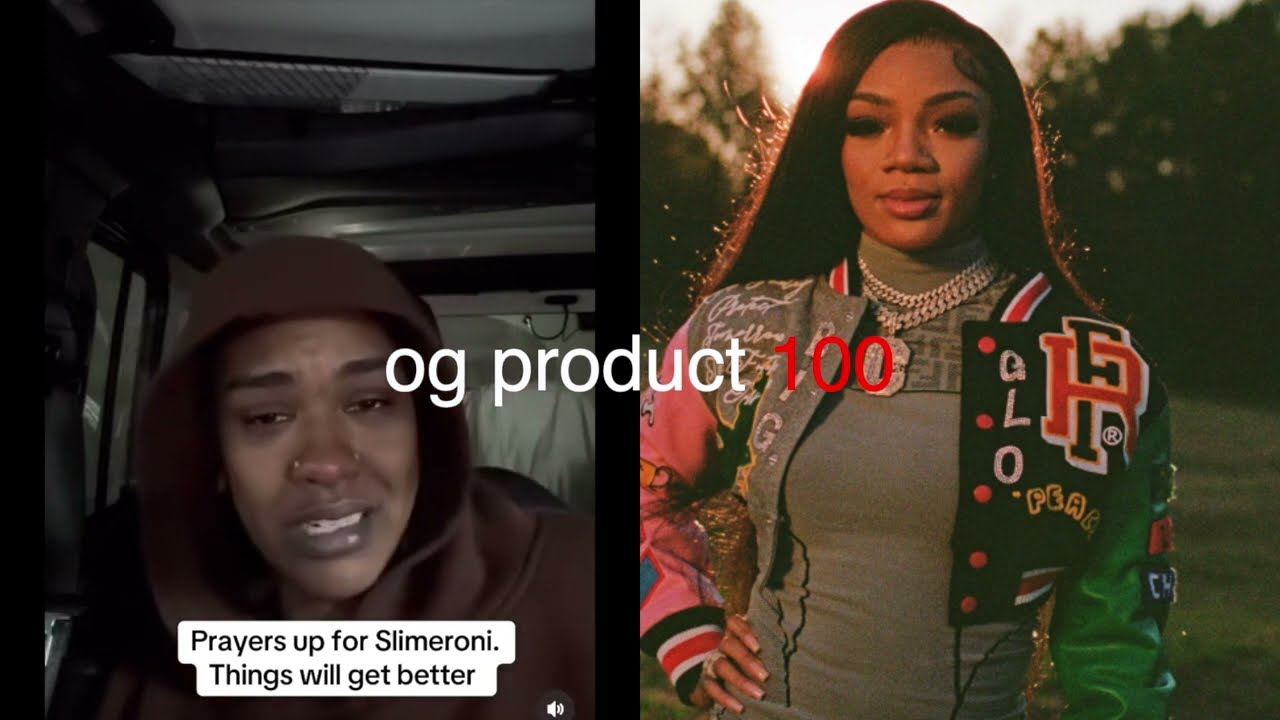
 The news surfaced following an emotional video from Slime Roni, who detailed a two-year period of artistic stagnation under a label contract. She claimed the deal prevented her from releasing music and that her pleas for release were delayed for an additional year, effectively halting her career momentum at a critical juncture. Her testimony paints a stark picture of an industry where development is rare and disposable talent is common.
This situation echoes the recent departure of GloRilla’s other associate, Gloss Up Crie$, from Quality Control Music. Her exit followed a similar pattern: initial celebratory promotion upon signing, followed by a quiet severance. Gloss Up Crie$ has also expressed frustration, stating she received no compensation for a promotional tour with rapper Erica Banks, underscoring the financial vulnerabilities artists face.
These cases are not isolated. They reflect a seismic shift in the music business model, driven by streaming and social media. Record labels, analysts note, increasingly function as venture capital for 𝓿𝒾𝓇𝒶𝓁 moments, not institutions for nurturing long-term careers. The emphasis is on rapid user acquisition—streams and followers—rather than sustainable artist growth.
 The result is a hyper-competitive environment where an artist’s window for success is brutally short. As one commentator observed, longevity akin to legacy stars is vanishing. The market is flooded with new talent every minute, each vying for the fleeting attention of algorithms and audiences, making a multi-decade career an exception, not the rule.
For artists like Slime Roni, this climate is particularly challenging. She described a sense of being left behind, forced into “survival mode” without a team, struggling to regain lost momentum. Her raw frustration—feeling like a “strong soldier” yet acknowledging it’s “okay to not be okay”—resonates with many unsigned and struggling creators navigating this unforgiving terrain.
Industry observers point to a broader trend, citing the recent influx of New York drill rappers signed in the wake of Pop Smoke’s success, many of whom are now reportedly in contractual limbo. This “recycling bin” effect demonstrates how genres and artists can be quickly commodified and discarded when the next trend emerges.
The emotional and financial toll on artists is significant. Being “cut off like a cable bill” or “cancelled like a bad check,” as described, leaves individuals to rebuild independently, often after sacrificing personal relationships and original creative visions to appease label demands. The promised support structure vanishes, leaving the artist to shoulder the burden alone.
This dynamic raises urgent questions about equity and ethics in contemporary deals. Artists sign contracts hoping for marketing muscle and industry access, but many find themselves bound to agreements that offer little proactive support while restricting their ability to work. The power imbalance remains stark, especially for new artists without leverage.
 The path forward for these released artists is uncertain. Some, like commentators note, may follow the blueprint of stars like 2 Chainz or Lil Durk, who faced early setbacks only to reinvent themselves and achieve greater success independently. This requires immense resilience and a direct connection to a fanbase built outside traditional systems.
Ultimately, the cases of Slime Roni and Gloss Up Crie$ serve as a critical breaking news alert for the industry itself. They underscore the growing disconnect between the fast-food pace of digital content consumption and the slow-cooked process of artistic development. As one voice in the debate starkly framed it, the relationship is purely business: if you can’t keep the roof over the label’s head, you’re replaced.
The fallout from these releases will be closely watched. It will test whether raw talent and 𝓿𝒾𝓇𝒶𝓁 adjacency are enough to sustain a career without institutional backing, and whether artists can successfully pivot to true independence. For now, the message to aspiring musicians is clearer than ever: the industry offers a platform, but it provides no safety net.