The long-simmering feud between hip-hop mogul Damon Dash and rapper Cam’ron has erupted into a fresh public war of words, centering on the humiliating auction of Dash’s film assets and escalating into deeply personal attacks. The conflict ignited after Cam’ron and his “It Is What It Is” co-hosts dissected the recent sale of Dash’s film company, Poppington LLC, which included the movie “Honor Up” for a mere $100.50 at a federal auction.
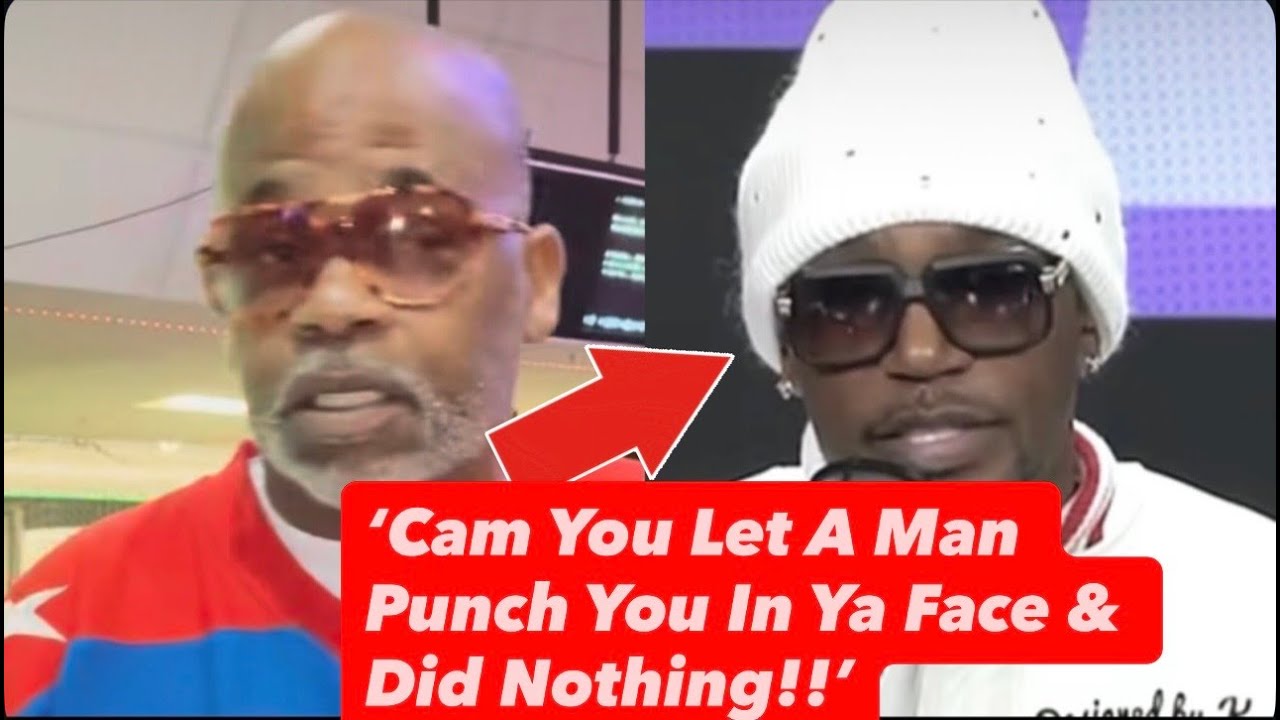 During the show, Cam’ron expressed bewilderment at the paltry sum, given the film’s cast, which included Dash, Stacey Dash, and Murda Mook, and its executive producer credit for Kanye West. Co-host Larry Morrow confirmed the 𝓈𝒽𝓸𝒸𝓀𝒾𝓃𝑔 sale price, explaining the auction opened with a 50-cent bid before being “graciously” raised to $100.50 for a package of four films. The segment openly mocked the perceived lack of value in Dash’s cinematic endeavors.
Damon Dash responded with a fiery, multi-pronged counterattack in a since-deleted Instagram video. He vehemently denied that the auction sale transferred copyright ownership of “Honor Up,” claiming he remains a named author and copyright claimant. Dash stated he sent a cease-and-desist letter to an attorney he identified as Chris Brown, demanding an end to alleged misrepresentations about the film’s ownership.
His retaliation then turned intensely personal, targeting Cam’ron, whom he repeatedly called “Fredo.” Dash demanded Cam’ron’s associates ask him why he “did not swing back” after being punched in the face in a past altercation. “What kind of man are you?” Dash challenged, accusing Cam’ron of tearing down a fellow Black man and OG from his neighborhood to entertain others.
This direct reference to an alleged physical confrontation marks a significant escalation, moving beyond business ridicule to questioning Cam’ron’s character and masculinity. Dash framed the ongoing criticism as a coordinated effort by “Queens n**as” to undermine him while he navigates severe financial and legal troubles, including bankruptcy.

The auction itself is a stark symbol of those troubles. The sale of Poppington LLC’s assets for $100 followed a court-ordered proceeding to settle debts, a nadir in Dash’s post-Roc-A-Fella business career. The event has made him a recurring target for critics, including 50 Cent, who also publicly clowned the sale earlier this month.
Cam’ron’s commentary tapped into this narrative of decline, using the auction price as proof of failed enterprise. Dash’s response, however, attempts to legally separate the film’s intellectual property from the shell company’s asset sale while redirecting the conversation to Cam’ron’s personal history. The strategy highlights Dash’s attempt to regain narrative control through legal threats and ad hominem attacks.
Industry observers note this feud is layered with years of intertwined history and perceived slights. Dash’s mention of a past disagreement with Larry Morrow over criticism of “Honor Up” suggests the current firestorm has been fueled by long-standing resentments. The public nature of the dispute, playing out on podcasts and social media, underscores how modern hip-hop conflicts are waged.

The cease-and-desist letter, a screenshot of which Dash displayed, adds a formal legal dimension. It demands the immediate cessation of any representation that ownership of “Honor Up” transferred via the Poppington LLC auction. The validity and impact of this legal maneuver remain unclear, but it signals Dash’s shift from verbal sparring to documented legal warnings.
This public meltdown between two Harlem-bred icons resonates because it intersects business, pride, and street credibility. For Dash, it is a fight to defend his remaining assets and legacy from what he sees as malicious mockery during a vulnerable period. For Cam’ron and his team, it is content derived from the undeniable irony of a once-dominant figure’s very public downfall.
The core question now is whether this exchange will spur further legal action or more vicious personal revelations. Dash’s challenge to Cam’ron to address the alleged punching incident hangs in the digital air, a direct provocation that the notoriously sharp-tongued rapper has yet to formally answer. The ball is effectively in Cam’ron’s court.

This episode reflects broader themes of schadenfreude and accountability within the entertainment industry. The rapid dissemination and discussion of Dash’s misfortunes on popular platforms show how quickly business failure can become public spectacle, inviting commentary from peers and rivals alike.
As both figures double down, the possibility of de-escalation seems remote. Dash’s declaration that he will not stop speaking until his question is answered sets a clear, confrontational condition for peace. The saga, blending financial distress, copyright law, and deeply personal insults, continues to unfold with no resolution in sight.
The audience, comprising hip-hop fans and industry watchers, is left to dissect the merits of the business criticism versus the appropriateness of the personal response. This conflict, beyond its entertainment value, serves as a cautionary tale about the perils of public financial distress and the volatile nature of reputational capital in the digital age.
Ultimately, the “Honor Up” auction has become more than a financial transaction; it is the catalyst for a full-blown cultural moment, exposing raw nerves and unresolved tensions. The coming days will reveal if this war of words subsides or if the $100 sale price ultimately costs both men far more in reputation and peace.