The music industry’s relentless churn has claimed two more emerging artists, as Memphis rapper GloRilla’s affiliate Slime Roni and fellow artist Gloss Up Crie$ have been released from their record deals. The news follows an emotional 𝓿𝒾𝓇𝒶𝓁 video from Slime Roni detailing a years-long struggle with a label she claims stifled her career, highlighting the precarious nature of modern artist contracts.
 In a raw social media clip, Slime Roni broke down describing being trapped in a contract for two years, unable to release music. She alleged the label, which she repeatedly referred to as “the white man,” ignored her calls and ideas before finally releasing her after a protracted legal petition. “I couldn’t drop, I couldn’t do a lot… my momentum slowed down,” she stated, visibly distressed.
Her story underscores a harsh reality for many new signees. The explosive success of fellow Memphis native GloRilla, signed to Yo Gotti’s CMG, sparked a rush by labels to scout similar talent from the region. This often leads to deals that fail to provide the promotional support or artist development necessary to build a lasting career, leaving artists in limbo.
The situation mirrors that of Gloss Up Crie$, another artist once celebrated for signing with Quality Control Music. Footage shows her being presented with a new vehicle upon joining the powerhouse label, a moment of triumph that has now curdled. She has since been publicly dropped, left to navigate the industry without the machinery she believed she had secured.
Industry observers note this reflects a seismic shift in the business model. Labels, facing the frenetic pace of internet fame, often seek quick returns rather than investing in long-term development. An artist’s window for success has narrowed dramatically, with social media ensuring a constant influx of new voices competing for the public’s fleeting attention.
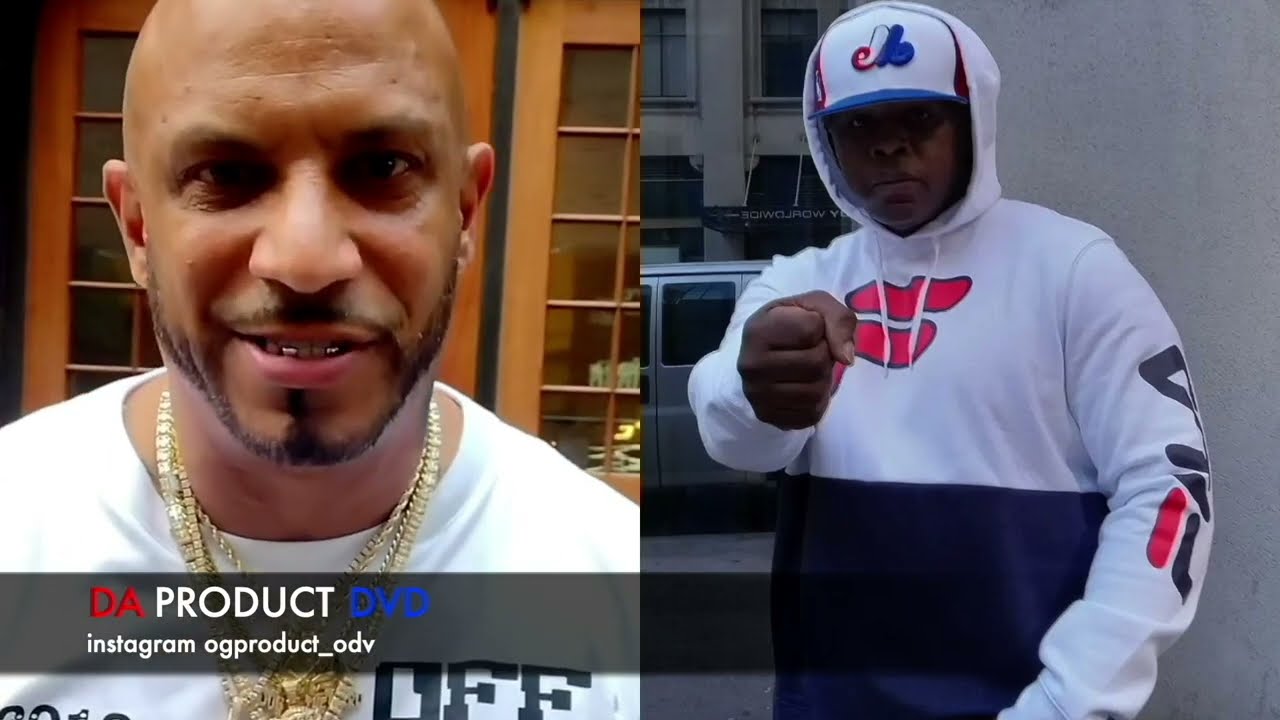 “The industry doesn’t do artist development no more,” commented a source close to the situation. “You have to come ready-trained. Longevity doesn’t exist like it used to; it’s about a quick check, a 𝓿𝒾𝓇𝒶𝓁 moment, and then the next one is up.” This environment leaves artists like Slime Roni feeling abandoned after the initial signing hype fades.
For Slime Roni, the personal cost has been high. She described the past two years as intensely difficult, operating in “survival mode” without a team. “I’m doing everything by myself… I should be in a better position than I am,” she lamented, challenging the narrative that artists should remain perpetually grateful despite professional stagnation.
The fallout extends beyond individual careers, impacting local music ecosystems. The phenomenon recalls the New York drill scene explosion following Pop Smoke’s breakthrough, where a flood of signings led to numerous artists now languishing in contract purgatory without active support or a clear path to release music.
This pattern raises critical questions about fiduciary duty and ethical A&R practices. Artists, particularly those from underrepresented communities, often sign complex contracts without comprehensive legal counsel, hoping for a breakthrough that may never materialize under the label’s stewardship.
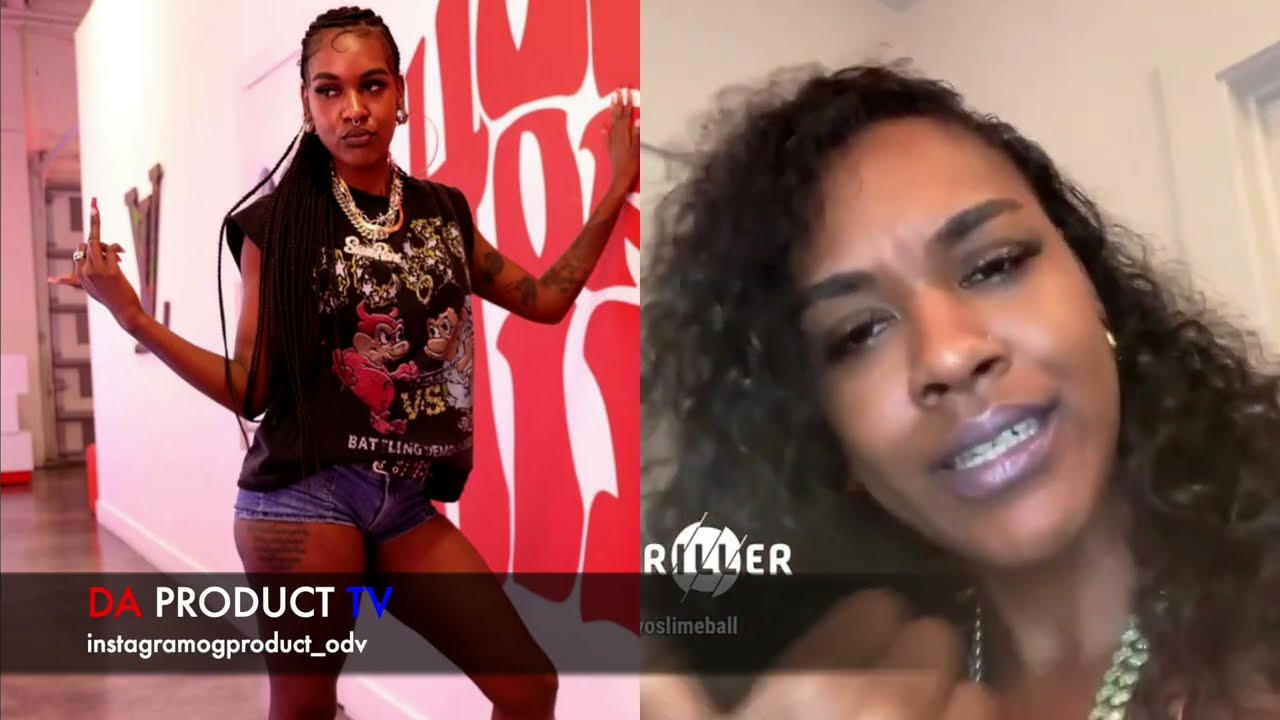
The emotional toll is rarely quantified in business reports. Slime Roni’s video pierced the typical bravado of rap culture, openly discussing the depression and frustration of a stalled dream. “It’s okay to not be okay,” she asserted, pushing back against the pressure to silently endure professional hardship.
Her case also touches on the contentious issue of image in a evolving market. Sources suggest her “gangster” aesthetic, reminiscent of artists like Remy Ma or Young M.A, may have fallen out of favor with labels currently prioritizing different, often less confrontational, female archetypes.
The parallel release of Gloss Up Crie$ from Quality Control further illustrates the fickleness of the system. Her stint included a non-paying promotional tour with Erica Banks, highlighting how young artists are sometimes leveraged for exposure without direct financial compensation, a point of contention in the digital age.
 Industry veterans see this as a cautionary tale. The rush to capitalize on a regional sound or scene often leads to a volume-based signing strategy. Labels sign multiple artists hoping one becomes a star, while the others are left to manage with minimal resources, effectively benched during their most promising years.
For the artists involved, the path forward is uncertain. Slime Roni expressed a determined, if weary, resolve to rebuild independently. The challenge now is to reactivate the fanbase that existed prior to her signing and navigate the independent landscape that many argue offers more control, if less upfront capital.
This development signals a potential reckoning within the urban music industry. As artists become more vocal about unfavorable contracts and lack of support, the traditional label system may face increased pressure to reform its development practices or risk losing top talent to more agile, artist-friendly partnerships.
The stories of Slime Roni and Gloss Up Crie$ are not isolated incidents but symptoms of a broader systemic issue. They represent the countless artists who sign deals hoping for a ladder to success, only to find themselves holding a contract that functions more like an anchor, stalling their careers at the most critical juncture.
Ultimately, their releases, while painful, may offer a form of liberation. Freed from restrictive deals, both women now have the agency to directly connect with their audiences and control their creative output. In today’s digital economy, that direct connection can sometimes prove more valuable than a flawed major-label infrastructure.