A tense confrontation at a nightclub involving Chicago rapper G Herbo has ignited widespread discussion after video footage captured a rival gang member aggressively throwing hand signs directly in the artist’s face. The incident, which circulated rapidly across social media platforms, presented a volatile scenario that many feared could escalate into immediate violence. Instead, the rapper’s measured and strategic public response has become the focal point, highlighting a significant shift in his personal and professional trajectory.
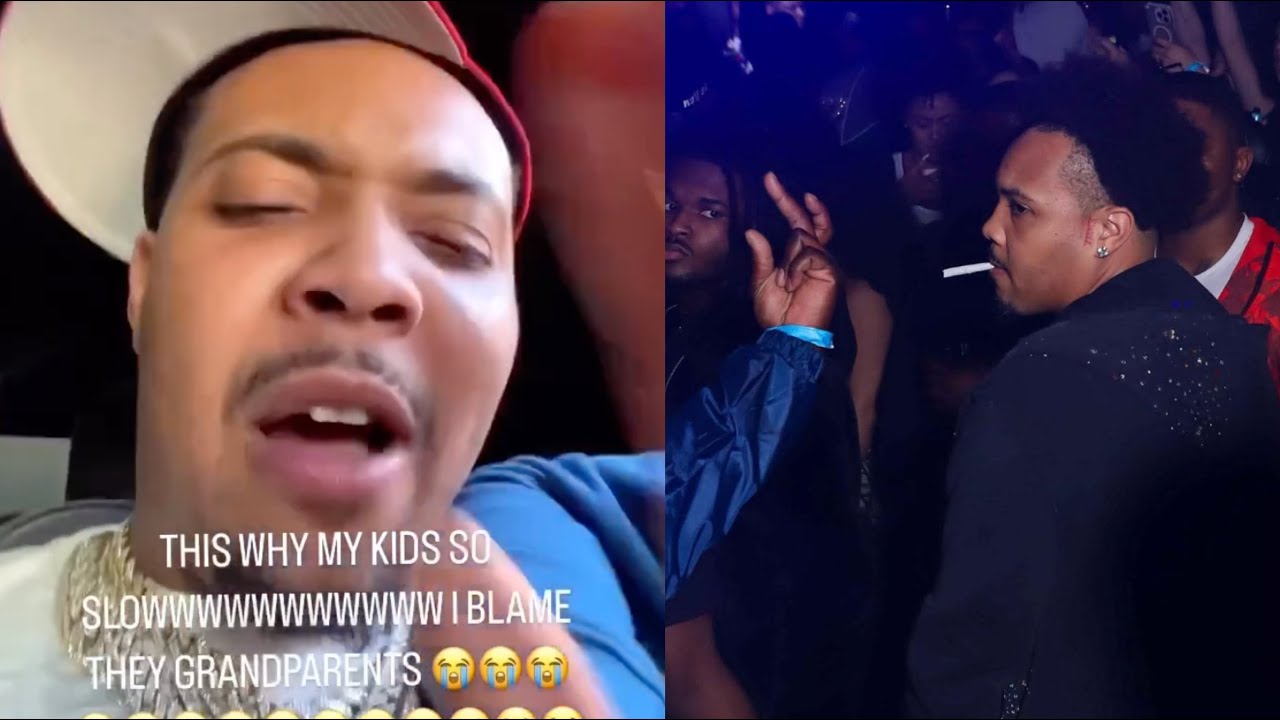 Eyewitness footage from the club shows G Herbo, born Herbert Wright III, positioned near a DJ booth as the atmosphere pulses with energy. Without warning, an individual identified in online discourse as GStone Man approaches the rapper. The man proceeds to throw up gang signs associated with the Gangster Disciples, a direct and confrontational gesture within the context of Chicago’s complex street politics. The act, performed inches from Herbo’s face, was universally interpreted as a blatant challenge.
The defining moment, however, was not the provocation but the reaction. Contrary to expectations of a physical altercation, G Herbo remained visibly composed. He did not retaliate physically or verbally in the initial moment, allowing the situation to de-escalate on the spot. This initial restraint set the stage for a more calculated address to the situation, demonstrating a level of control that stunned many observers familiar with the rapper’s background.
Shortly after the encounter, G Herbo seized a microphone within the club to speak to the assembled crowd. He acknowledged the individual involved by name, stating he saw the actions but was not moved by them. His tone was firm yet calm, explicitly rejecting the importation of street politics into a social setting. He framed the act as unnecessary energy, distancing himself from a cycle of retaliation that has defined countless similar conflicts.
The rapper later expanded on his philosophy in a detailed Instagram video, providing crucial context for his club-floor composure. “Y’all think I made it all the way to 30 being an idiot?” Herbo questioned, emphasizing his journey and current priorities. He spoke passionately about his responsibilities as a father and businessman, stating unequivocally, “Ain’t going to never see me crash out.” He affirmed his loyalty and principles but underscored that his focus is on longevity, not proving himself in fleeting confrontations.

This public stance represents a profound evolution for the artist who emerged from Chicago’s East Side, specifically the Terror Town area, a neighborhood historically linked to gang activity. Early in his career, under the name Lil Herb, his music served as a raw documentary of street life, trauma, and survival. Tracks like “𝓀𝒾𝓁𝓁 Shit” painted vivid pictures of the environment that shaped him, earning him respect as an authentic voice from the streets.
Analysts note that Herbo has consistently used his platform to discuss the psychological toll of that life, rather than glorify it. In recent years, he has been vocal about PTSD, financial literacy, and fatherhood, signaling a deliberate pivot. The club incident, therefore, was not merely a personal test but a public referendum on whether his evolution was merely thematic or fundamentally behavioral. His response strongly suggested the latter.
Reaction from fans and commentators has been largely supportive, with many praising the display of maturity. Social media threads filled with comments noting that “real power is knowing when not to react” and that his handling of the situation was “chess, not checkers.” This perspective acknowledges that in the ecosystem of street reputation, strategic silence can sometimes assert more authority and command more respect than a predictable, explosive reaction.

Conversely, a minority of voices online criticized the approach, suggesting that the direct nature of the challenge demanded an immediate, physical response to maintain respect. This viewpoint underscores the persistent tension between street codes, which often prioritize visible retaliation, and the codes required for sustained success and survival in the legitimate entertainment industry and family life.
The incident’s broader significance lies in its demonstration of the precarious tightrope walked by artists with roots in volatile environments. Every public appearance carries the risk of such provocations, where a single reaction captured on camera can undo years of brand-building and personal growth. Herbo’s handling of the event serves as a case study in crisis management under extreme pressure, where discipline ultimately protected his future.
Security experts point out that the presence of cameras and social media has fundamentally altered the dynamics of these encounters. A violent response, while perhaps satisfying a narrow code, would have generated negative headlines, potential legal jeopardy, and damage to his growing business ventures. His calm address allowed him to control the narrative entirely, transforming a potential 𝒔𝒄𝒂𝓃𝒅𝒂𝓁 into a testament to his growth.

Industry observers also highlight the financial stakes involved. G Herbo has built a substantial enterprise beyond music, including his Swervo B4LV label and mental health advocacy through his “Swervin’ Through Stress” initiative. A criminal charge or injury stemming from a club fight would jeopardize these ventures and the livelihoods they support, a reality that undoubtedly informed his calculus in the moment.
The episode concludes not with a bang, but with a pointed statement of intent. By choosing to speak on his terms later, G Herbo reaffirmed his identity as a grown man, a father, and an entrepreneur. He made it clear that while he has not forgotten his past, he is no longer defined by its most destructive impulses. His focus remains fixed on the future, a message that resonates far beyond the flashing lights of any nightclub.
This calculated response may well set a new precedent for how artists navigate similar provocations. In an era where every moment is recorded, the wisdom of strategic restraint becomes increasingly evident. G Herbo’s actions communicated that his legacy, his family, and his freedom are worth far more than winning a momentary clash of egos in a crowded room.