Atlanta-based rap icon 21 Savage has issued a forceful, direct response to fellow artists publicly dissecting his controversial “F*k The Streets” movement, bluntly stating they fundamentally misunderstand his message and mission. The Grammy-winner’s reaction came via social media, cutting through a growing chorus of commentary to clarify his intent with stark, urgent language. His statement serves as a definitive rebuttal to critics and supporters alike who he believes have mischaracterized his polarizing slogan.
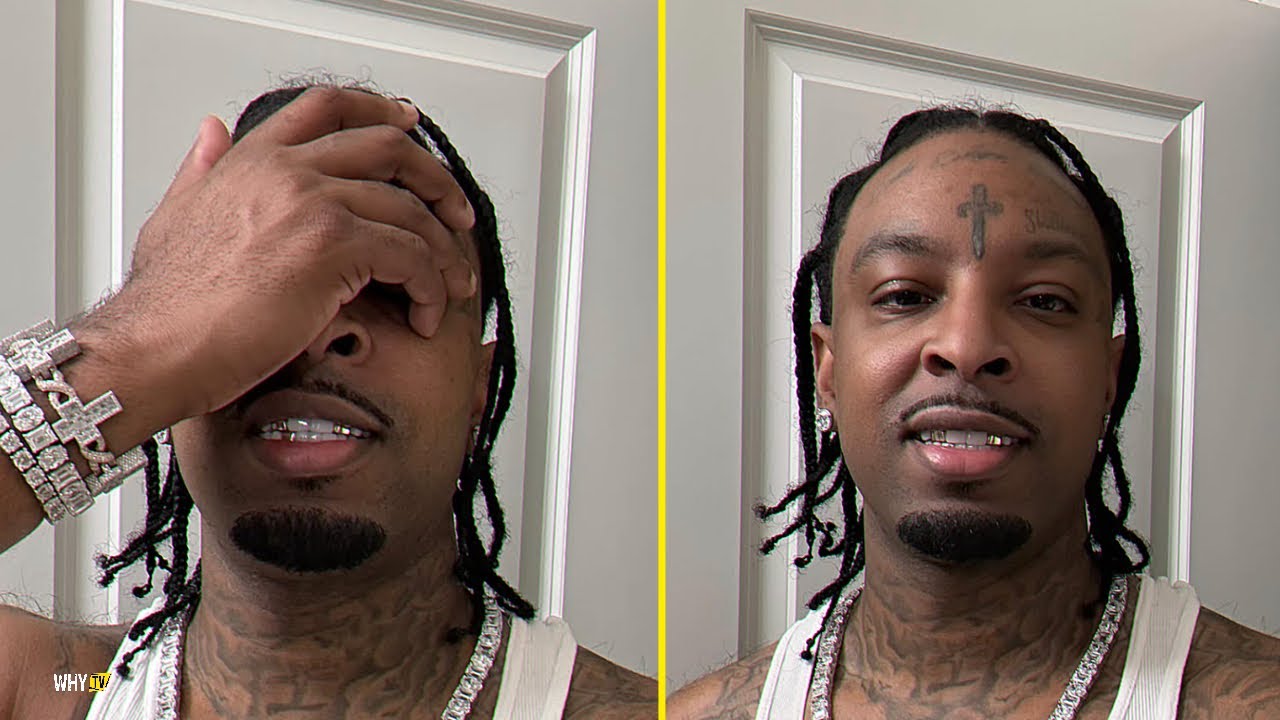 In a raw, unfiltered video message, 21 Savage articulated a vision far more complex than the phrase’s surface-level interpretation. “You don’t get this,” he asserted, framing his movement not as an abandonment of his community but as a radical call for transformation and survival. The artist emphasized a personal and collective struggle to escape cyclical violence and despair, positioning himself as an active participant in seeking solutions rather than merely critiquing from the sidelines.
“I’m trying to change my life. I’m trying to save the streets,” he declared, drawing a clear line between condemnation and salvation. This nuanced stance challenges the often-glamorized narratives of street life pervasive in hip-hop, advocating instead for preservation and progress. His words suggest the movement is a protective mantra, urging young people to prioritize longevity and prosperity over destructive, entrenched loyalties.
The rapper’s pointed comments, “I’m trying to stop all this crazy going on that’s unnecessary,” directly address the relentless gun violence and trauma plaguing urban communities. Industry observers note this aligns with his longstanding philanthropic work, including financial literacy programs for youth, which provides crucial context to his seemingly abrasive slogan. The message reframes “F*k The Streets” as a rejection of the game itself, not the people trapped within it.
 He concluded with a stern, unambiguous warning to those potentially co-opting or misrepresenting his message: “But don’t get it twisted for a second. Not think this [ __ ] sweet. Straight up. And I ain’t even saying no other name. Know what’s going on.” This closing remark underscores the serious, non-performative nature of his campaign and serves as a clear deterrent against opportunistic commentary from peers.
The “F*k The Streets” movement has ignited fierce debate since its inception, with some hailing it as a necessary wake-up call and others criticizing it as hypocritical or overly simplistic. 21 Savage’s latest intervention is his most 𝓮𝔁𝓹𝓵𝓲𝓬𝓲𝓽 effort to date to control the narrative, insisting the conversation move beyond the provocative phrase to engage with the substantive life-and-death issues it represents. His impatience with misinterpretation is palpable.
This development highlights a recurring tension in hip-hop between artistic expression, social messaging, and public perception. When an artist of 21 Savage’s stature and credibility speaks on street life, the industry and fanbase dissect every syllable. His frustration signals a gap between his intent and the public discourse, a chasm he is now urgently trying to bridge with deliberate clarification.

Reaction within the music community has been swift, with fans and commentators parsing his words for deeper meaning. Many supporters argue his message has been consistent—a push for financial empowerment and escape—and that critics willfully ignore his actions in favor of debating his terminology. The call to “save the streets” is being viewed as a pivotal reframing of his entire philosophy.
Analysts suggest this moment represents 21 Savage solidifying his role as a pragmatic, if controversial, social commentator from within the culture. By challenging both the glorification and the hopelessness associated with street life, he carves a unique space advocating for strategic disengagement and community investment. The movement, therefore, is interpreted as a call for tactical retreat to fight another day.
 The rapper’s refusal to name specific individuals, stating “I ain’t even saying no other name,” is a strategic choice that broadens his critique to a general climate of misunderstanding. It elevates his statement above the fray of petty rap beefs, focusing attention solely on the ideological core of his message. This approach reinforces the seriousness with which he demands the movement be taken.
As the conversation evolves, the central question remains whether this clarification will reshape public understanding of “F*k The Streets.” 21 Savage has laid down a clear marker: the movement is about salvation, not scorn. His impassioned plea for comprehension underscores the high personal and communal stakes he associates with this chapter of his advocacy and artistry.
The ultimate impact of this artistic stance will be measured in its resonance on the ground, in the communities he references. If the message shifts from a slogan to a sustainable philosophy for change, it could mark a significant turn in how hip-hop engages with the very realities it often documents. 21 Savage has forcefully reclaimed his narrative, now the challenge is for the audience to truly listen.