A California judge’s decision to sentence a woman to probation for stabbing her boyfriend more than 100 times has ignited fury and profound grief, with the victim’s father declaring the justice system “broken” after a six-year legal battle. Brenna Speer, now 33, was convicted of involuntary manslaughter in the 2018 killing of Chad O’Melia, a verdict and subsequent sentence his family calls a devastating failure of accountability.
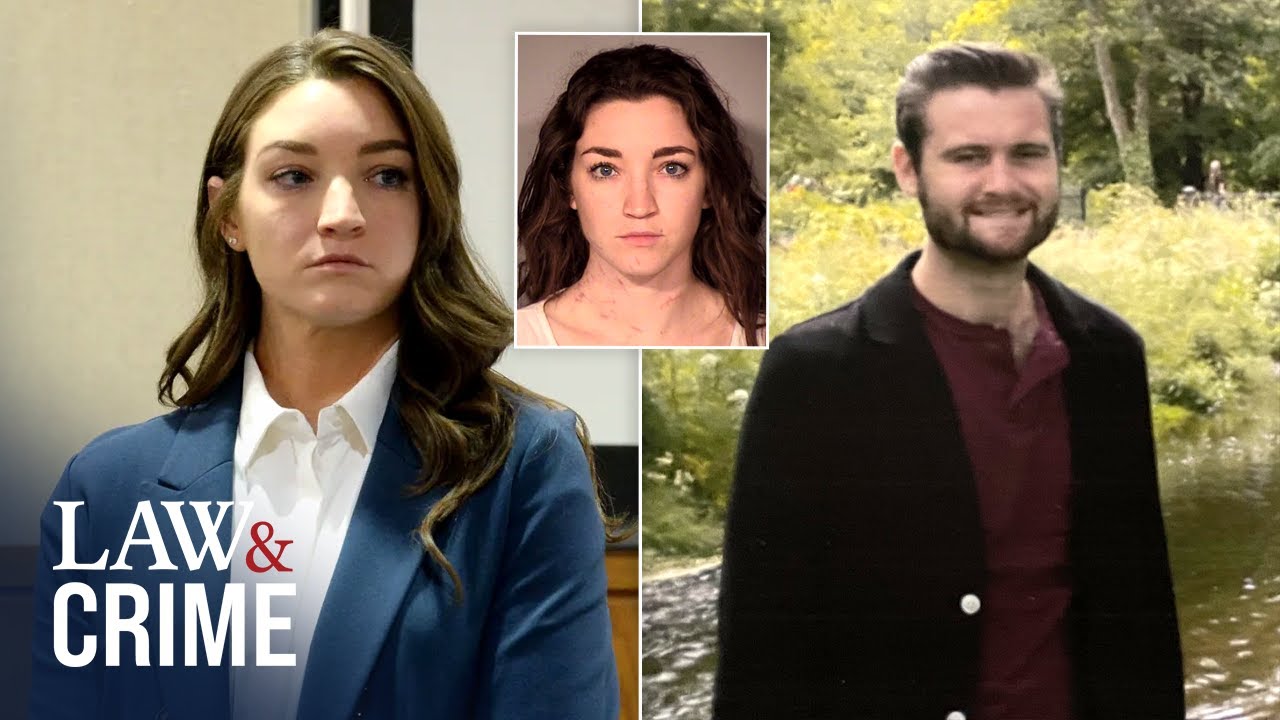 The case centered on a controversial defense claiming Speer suffered a cannabis-induced psychosis after the pair smoked marijuana at his Sherman Oaks condo. She testified that she hallucinated, her memory went black, and she awoke to find O’Melia dead. Prosecutors argued vigorously against the defense, but the jury ultimately accepted the reduced charge over murder.
This week, Ventura County Superior Court Judge David Worley sentenced Speer to two years of probation and community service, citing the psychosis diagnosis accepted by expert witnesses. He noted the loss of her medical license as a significant consequence. The decision directly contravened recommendations from both the prosecution, which sought the maximum penalty, and the probation department, which advised jail time.
For Chad O’Melia’s father, Sean O’Melia, the sentence is an incomprehensible injustice. “It should never have happened. She should have never have been allowed to walk free,” he said in an emotional interview. “It is evidence of how broken our criminal justice system is.”
Sean O’Melia described a torturous half-decade awaiting a resolution that has only compounded his family’s pain. “I don’t sleep well,” he said, describing being awake by 3 a.m. daily since his son’s death. He lamented the impact on Chad’s younger brother, Shane, who has also lost his mother, calling the last six years “horrible.”
The father was present for the entire five-week trial and the recent sentencing hearing, where he confronted Judge Worley directly. He accused the judge of bias, citing comments that seemed to absolve Speer of responsibility. “To me, it was absolving her of any culpability,” O’Melia stated. He believes the judge, who is nearing retirement, was influenced by not facing re-election.

While prosecution experts agreed with the cannabis-induced psychosis diagnosis, Sean O’Melia pointed to critical details from the defense’s own psychiatric expert, Dr. Mark Worthing. He noted a family history of mental illness on Speer’s mother’s side and said the doctor warned that once such a psychotic reaction is “tripped,” it is easier to re-trigger.
Most agonizing for the family is the portrayal of Chad O’Melia solely as a victim in a sensational crime. His father passionately recalled a compassionate, principled young man. “He was the type of person that if somebody was bullying somebody else, he’d be the first guy to step up,” Sean O’Melia said.
An avid sports fan and former football player, Chad valued deep friendships and was a protective presence. His father shared a poignant memory from a vigil, where a young woman said she always felt safe at parties if Chad was there. His funeral service drew over 1,300 people, with crowds spilling out of the church doors—a testament to his impact.
“Chad was just a caring, loving person that… would help you in any way that he could,” his father said. “He’s missed by a lot of people.”

The family’s quest for accountability was met with what they see as a final insult: a lack of genuine remorse from Brenna Speer. Sean O’Melia confirmed she has never directly apologized to him. While Speer’s father offered a heartfelt apology in court, which O’Melia respected, he said Speer’s own remarks only expressed that she could not imagine the family’s pain, not sorrow for her actions.
He saved his strongest criticism for Speer’s defense team, accusing them of continuing a “victim-blaming defense” and misrepresenting facts to the media. He specifically challenged claims about high-potency marijuana, stating lab tests showed no evidence to support that assertion. “There is absolutely zero evidence of that fact,” he asserted.
Sean O’Melia meticulously rejected the narrative that shifted blame onto his son. “She knew she was smoking marijuana. Did she know that was going to have that reaction? Probably not. But neither did Chad. So that doesn’t make it Chad’s fault.”
In his view, every part of the justice system except the judge performed its duty. The prosecution presented its case fully, the jury deliberated responsibly, and the probation department recommended incarceration. “We get to this day and one man, David Worley, has this whole thing sitting in his hands,” O’Melia said, his voice heavy with frustration.

He believes the judge had made up his mind before the victim impact statements were even heard, rendering the family’s painful testimony moot. “It was disgusting,” he stated.
The case raises stark questions about legal defenses based on 𝒹𝓇𝓊𝑔-induced psychosis and the discretion of judges in sentencing. For Sean O’Melia, the message is chilling. “There are a lot of people in prison right now for manslaughter and they probably did a lot less than what she did.”
He leaves with a warning about the system’s failure to protect law-abiding citizens. “It’s broken because the innocent taxpayers are not being defended,” he concluded. “They are not getting what they’re paying for out of their tax dollar for protection against this type of thing.”
As Brenna Speer walks free, a father grieves not only for the son brutally taken but for the justice he believes was denied. The memory of Chad O’Melia, and the fight for what his family sees as a proper consequence for his death, continues to define their lives.