A simmering tension between two of hip-hop’s most prominent voices has erupted into a public and potentially dangerous confrontation, centering on the fundamental question of street loyalty and social responsibility. The clash between Atlanta’s 21 Savage and Baton Rouge’s NBA YoungBoy escalated dramatically this week following pointed comments from both camps, exposing a deep cultural rift within the genre.
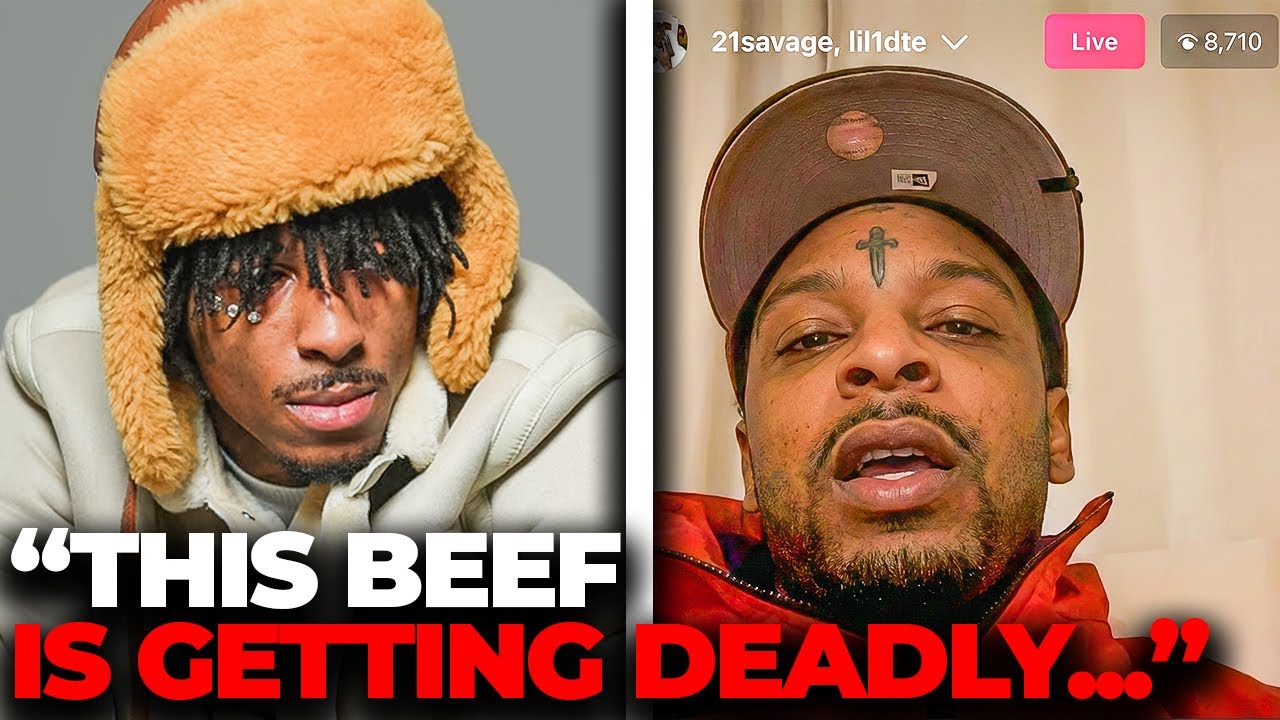 The conflict ignited when NBA YoungBoy, in a recent interview, was asked about 21 Savage’s high-profile “F The Streets” movement, an initiative where Savage travels to counsel youth against gang life. YoungBoy’s response was swift and dismissive. “I don’t even f about that,” he stated. “I am the streets. I love the streets. I come from the streets. I ain’t on all that f a s**.”
This direct rebuke of Savage’s central message quickly circulated online, drawing clear battle lines between their respective fan bases. YoungBoy’s declaration was interpreted not merely as a disagreement but as a challenge to 21 Savage’s authenticity and right to speak on the subject. The Baton Rouge artist emphasized his own narrative, rooted in ongoing street struggles.
The situation intensified just days later when 21 Savage posted a fiery, expletive-laden video message. While ostensibly addressing New York rapper Fivio Foreign, the timing and content were widely seen as a retort to YoungBoy. “Stop saying my name,” Savage demanded, his tone visibly agitated. “Don’t think cuz a n trying to change that, man.”
Savage’s response transcended a simple clapback, evolving into a raw defense of his lived experience and his current mission. He issued a stark warning to his detractors, reminding them of his violent past. “Savage shot one of y’all in real life. Y’all know this. Stop playing,” he asserted, making it clear his advocacy for peace should not be mistaken for weakness.

He passionately defended the genesis of his activism, tying it directly to profound personal loss. “Y’all ain’t seen enough in the street to even feel how I feel about the street,” Savage argued, referencing the murders of his brother and close friends. “Y’all ain’t cried enough. Y’all ain’t lost enough.”
The core of his rebuttal questioned the credibility of his critics, suggesting a disconnect between those who rap about street life and those who have endured its ultimate costs. “Y’all better stick to rapping, man,” he concluded, drawing a firm line between musical persona and painful reality.
This feud is layered with historical context that adds fuel to the fire. 21 Savage and NBA YoungBoy were once on cordial terms, but underlying tensions have festered. Savage’s perceived alignment with Chicago rapper Lil Durk, who is engaged in a lethal and well-documented feud with YoungBoy’s camp, created an unspoken rift long before this public exchange.
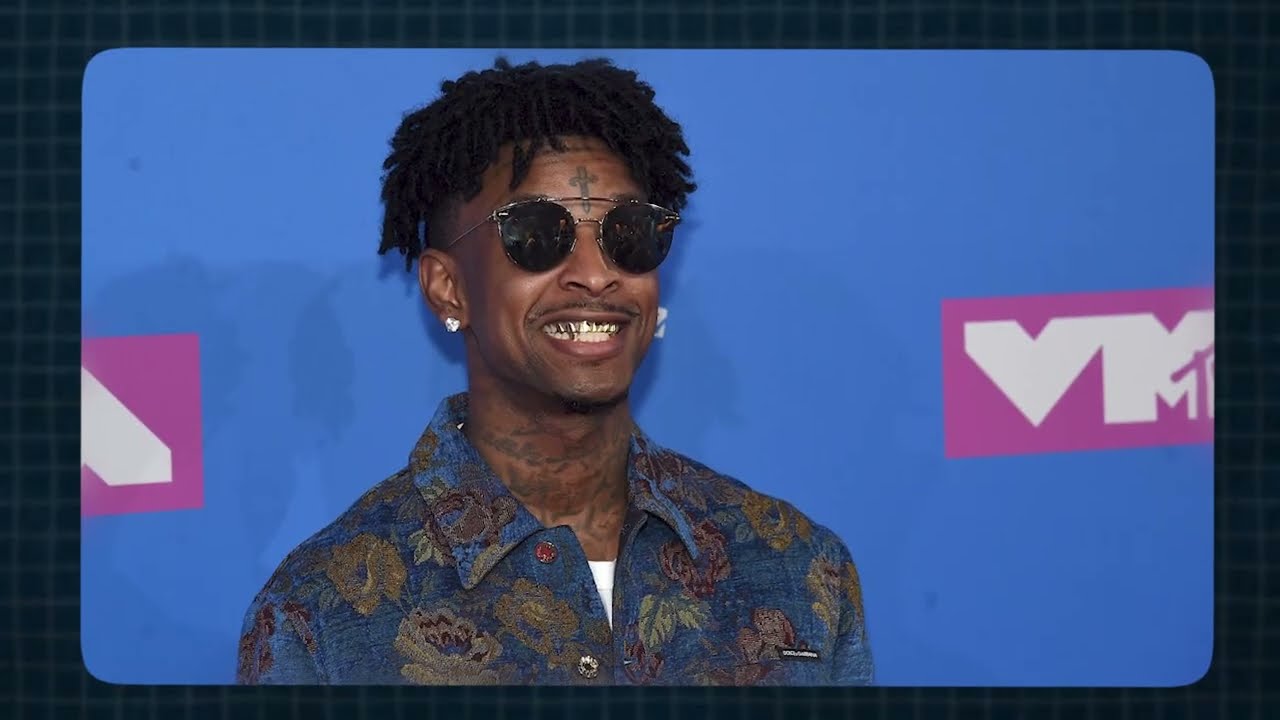
Analysts point to this clash as emblematic of a larger crisis in hip-hop: the tension between artistic evolution and unwavering authenticity. 21 Savage, whose early music glorified street life, now uses his platform to preach against it, a transformation born from trauma. NBA YoungBoy, still embroiled in legal battles and representing a community under siege, views such a message as a betrayal of identity.
The danger now is escalation beyond words. Both artists command massive, devoted followings, and their disagreement touches on issues of life, death, and respect that have historically spilled into real-world violence. The hip-hop community is watching nervously, aware that what began as a war of philosophies could have tangible consequences.
Industry observers note the tragic irony: a dispute sparked by a campaign to reduce violence now threatens to generate more. 21 Savage’s message, at its heart, is a plea to break cycles of retaliation. Yet, the public nature of this disagreement and the pride of both parties create a volatile standoff.
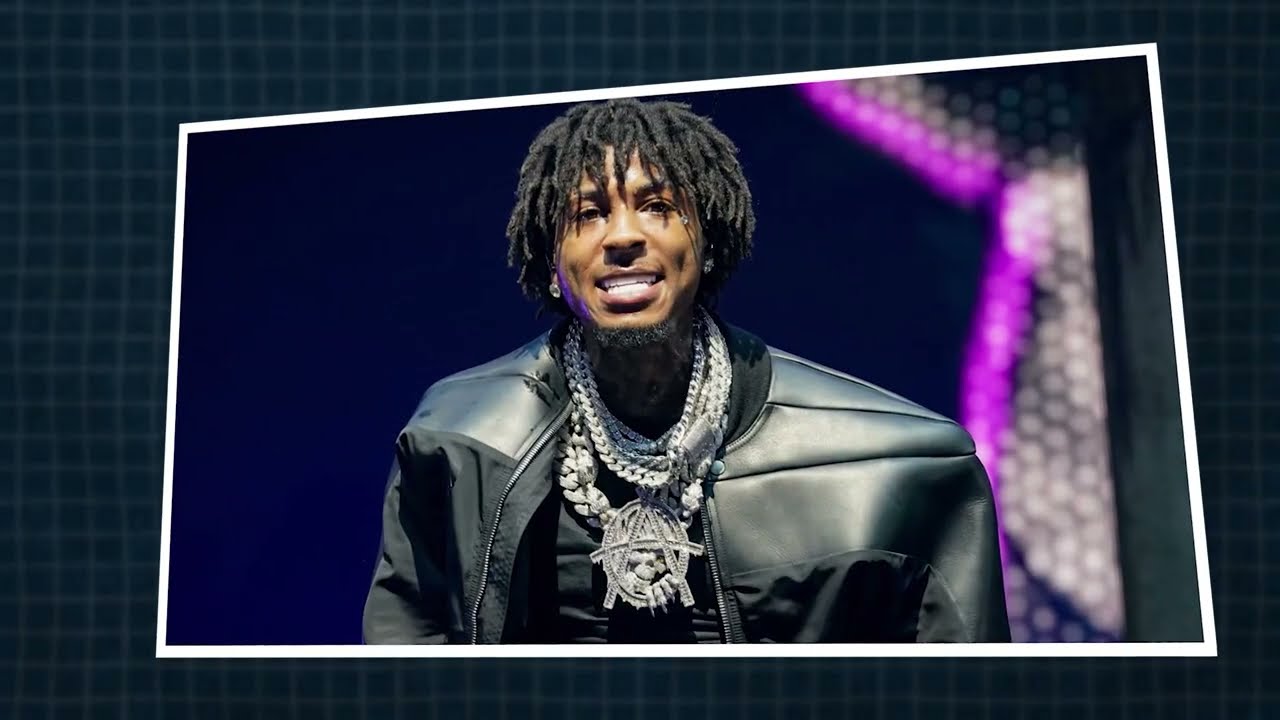
Fans and commentators are divided. Some applaud 21 Savage for using his influence to promote change, arguing his past grants him unique authority. Others side with NBA YoungBoy, contending that survival in certain environments necessitates a street mentality and that Savage’s message overlooks current, grim realities.
As the digital arguments rage, the physical stakes remain ominously high. The discourse has shifted from theoretical debate about street life to a personal confrontation between two giants with deeply entrenched positions. Neither has shown any indication of backing down, cementing this as one of the most significant and tense narratives in contemporary music.
The coming days will be critical. Will this remain a war of words and social media posts, or will the implicit threats manifest in more serious ways? The hope among many is for de-escalation, but the history of hip-hop beef provides little comfort. The conversation has been ignited, but its conclusion remains perilously uncertain.