A simmering feud between rap generations has exploded into a public and profane war of words. Memphis rapper Finesse2Tymes unleashed a blistering, expletive-laden tirade targeting Layzie Bone of the legendary group Bone Thugs-N-Harmony, escalating a dispute over a reported $40,000 charge for sample usage.
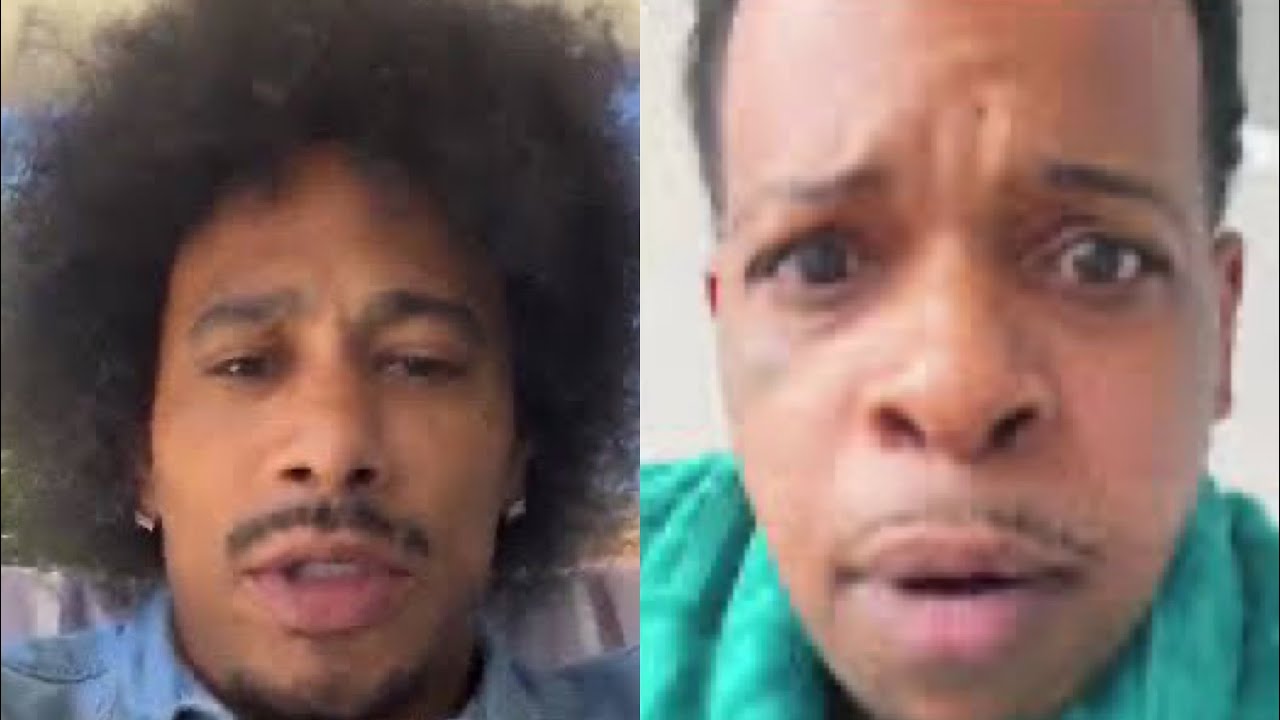 The conflict centers on Finesse2Tymes’ track which utilizes the iconic beat from Bone Thugs-N-Harmony’s 1997 collaboration with The Notorious B.I.G., “Notorious Thugs.” According to industry rumors detailed on the Nation of Podcast, the veteran Cleveland group sought significant payment for the use of the instrumental, a claim that prompted an initial response from Layzie Bone online.
Layzie Bone’s reported rebuttal, as referenced in the podcast, challenged the younger artist on several fronts. He allegedly clarified that Bone Thugs do not own the master recording, suggested Finesse2Tymes secure better business management, and advised him to “slow down on them drugs” for longevity. These comments ignited the fuse for Finesse2Tymes’ furious video response.
In a clip heavily edited for content, Finesse2Tymes vehemently fired back. “YOU AIN’T LASTED LONG IN NO mother business,” he shouted, directly challenging the group’s relevance. He dismissed the breakdown of ownership and business advice as a tactic to “GET YOUR MOTHER ROCKS OFF,” asserting his own success and independence within the modern music industry.
The rapper’s anger appeared particularly focused on perceived disrespect. “I don’t like [ __ ] calling me or my brother’s skinny,” he stated, referencing a comment allegedly made by Layzie Bone. He concluded with a stark warning: “Better shut the up… If I come for you, just shut the up… Cuz you say something else to me, you going to make it worse.”
This clash highlights the perennial tension in hip-hop between established legends and ascending stars over artistic legacy and financial compensation. The “Notorious Thugs” beat is considered a classic, and its usage by a new artist raises complex questions of copyright, clearance, and respect for foundational work.

The podcast host, while acknowledging Finesse2Tymes’ passion, firmly sided with Bone Thugs-N-Harmony. He argued that if a debt is owed for sample clearance, it must be paid, calling the principle “plain and simple.” He extensively championed the group’s historic contributions, labeling them one of the greatest and most pioneering rap groups of all time.
“They have Grammys. They have done this thing,” the host stated, listing a catalog of hits from “Thuggish Ruggish Bone” to “First of the Month.” He emphasized their three-decade longevity, arguing that expecting them to be at their commercial peak today is unrealistic, yet their legacy remains untouchable.
The incident underscores the challenging navigation of music business protocols by artists. Sample clearance is a standard, often costly, legal requirement, and public disputes over fees can quickly morph into personal attacks, damaging reputations on both sides. The line between business negotiation and personal disrespect has been thoroughly blurred.
For Bone Thugs-N-Harmony, this represents another chapter in defending their catalog and their stature. For Finesse2Tymes, it is a defiant stance against what he perceives as outdated gatekeeping. The public fallout leaves fans divided, forced to choose sides between respecting hip-hop history and supporting contemporary artistic freedom.

The host’s final question to his audience—“Who you think’s right and wrong in this situation?”—captures the debate now raging online. Beyond the 𝓮𝔁𝓹𝓵𝓲𝓬𝓲𝓽 language, the core issues of artistic ownership, generational respect, and the mechanics of the music industry remain unresolved, ensuring this story will continue to develop.
Industry observers note that such public meltdowns rarely lead to constructive solutions. They often poison potential future collaborations and can complicate existing legal negotiations. The financial dispute is now buried under layers of personal insult, making an amicable resolution significantly more difficult.
The legacy of Bone Thugs-N-Harmony, forged in the mid-1990s with their unique, rapid-fire harmonic style over haunting Midwest production, is firmly cemented. However, this event shows how that legacy is managed and monetized in the digital age can lead to conflict with the very artists they may have influenced.
Finesse2Tymes, representing a newer wave of direct-to-fan, independent-minded rappers, operates in a different commercial landscape. His aggressive response reflects a modern ethos that often prioritizes 𝓿𝒾𝓇𝒶𝓁 momentum and personal brand defense over traditional industry deference.

As the audio clips and reaction videos circulate, the discourse expands. Some commentators defend the principle of paying for samples, full stop. Others sympathize with the rising artist facing a substantial, unexpected fee from a group he may have admired. The complexity of copyright law is lost in the simpler, more visceral narrative of a street-level argument.
This is not merely about one beat. It is a collision of eras, business models, and egos. The $40,000 figure, whether accurate or not, has become a symbol—for one side, it represents rightful payment; for the other, it represents an obstacle and a slight. The resulting firestorm offers a raw look into the unglamorous, contentious backend of hit-making.
The situation remains volatile. Neither party has shown signs of backing down, and the inflammatory nature of the comments suggests the potential for further escalation. Whether this moves to the courts, dissolves into more social media skirmishes, or fades away remains to be seen, but the damage to the relationship appears profound.
In the end, the music itself—the classic “Notorious Thugs” record—stands as a reminder of what sparked the conflict: a timeless sound that both parties, in their own ways, want to claim and control. The battle over its use proves that in hip-hop, legacy is not just about influence; it is an asset to be protected, and sometimes, a weapon to be wielded.