The simmering feud between hip-hop mogul 50 Cent and a cadre of fellow rappers has escalated with a definitive and dismissive ultimatum from the G-Unit founder. In a stark response to recent disses, 50 Cent has declared he will only engage in a musical rebuttal if his challengers can first achieve a fundamental measure of commercial success: a hit record.
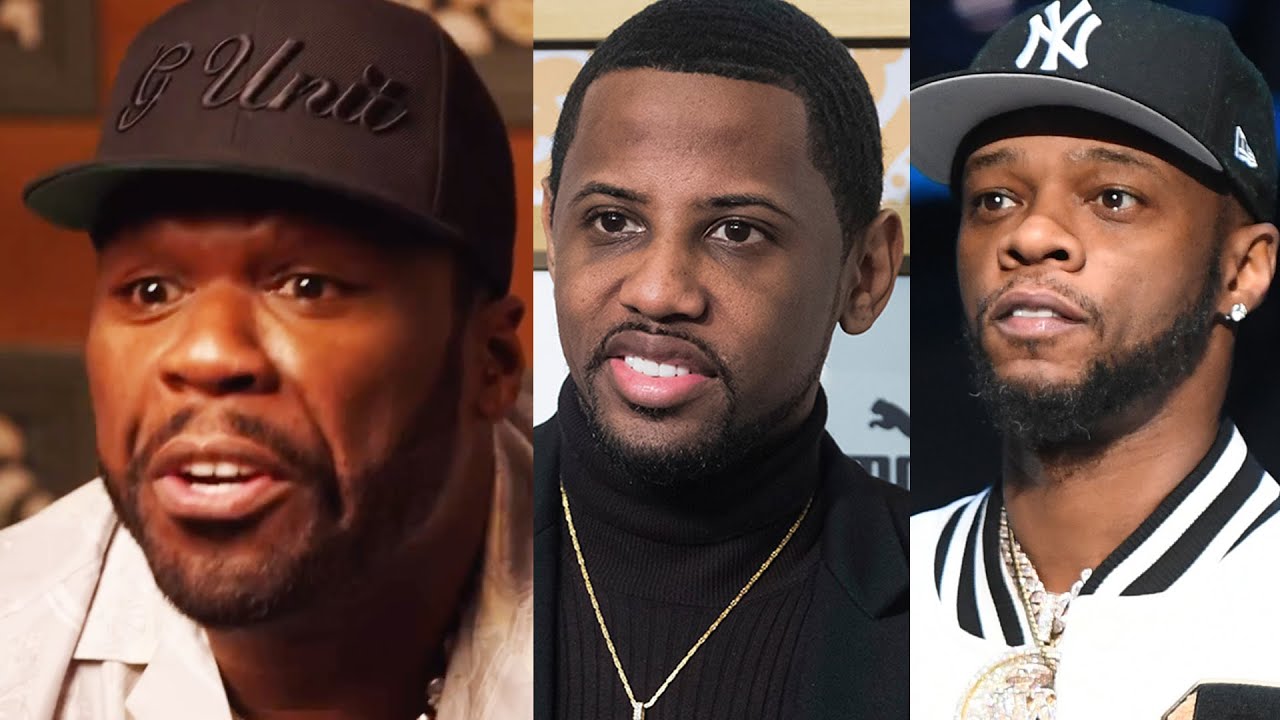 The conflict, which has played out largely on social media over recent weeks, originated from comments made on the “Let’s Rap About It” podcast hosted by Fabulous, Ma$e, Jim Jones, and Dave East. During a discussion about documentaries, the hosts criticized projects where the subject isn’t involved, with Jim Jones labeling them “mockumentaries.” 50 Cent, whose Netflix documentary on Diddy recently aired, took personal offense.
He retaliated by publicly revealing the podcast hosts owed $250,000 in back rent for their studio, accusing them of being “squatters.” This ignited a war of words that culminated on Christmas Day when several of the rappers, most notably Fabulous, recorded diss tracks over 50 Cent’s instrumentals. The pressure mounted on 50 to respond in kind, with fans and detractors alike demanding a musical clapback.
Instead of immediately heading to the studio, 50 Cent engaged in a series of pointed social media exchanges, particularly with Brooklyn lyricist Papoose. After 50 trolled Papoose regarding his relationship with fellow rapper Remy Ma, Papoose fired back using AI-generated videos mocking 50 Cent. The back-and-forth continued with personal jabs and references to past relationships, pulling 50’s former partner Daphne Joy into the fray.
The situation reached a critical point when Papoose previewed a snippet of a diss track aimed at 50 Cent. Seizing on the moment, 50 Cent reposted the clip with a scathing and clear condition for any further engagement. “What the…I can’t get jiggy with this. Lol, y’all trash,” 50 Cent wrote. “Make one song that can sell and I’ll come play. Y’all still trying to sell music, right?”

This statement serves as 50 Cent’s formal and public ultimatum to Papoose, Fabulous, and the others. He has effectively drawn a line in the sand, framing the dispute not merely as a battle of lyrical skill but as a referendum on commercial relevance. For 50 Cent, the issue is no longer about who can deliver the hardest bars, but who can demonstrate tangible success in the modern music marketplace.
The ultimatium highlights a vast disparity in streaming numbers that underscores his point. According to available data, Papoose boasts approximately 170,000 monthly listeners on Spotify. In stark contrast, 50 Cent commands an audience of over 40 million on the platform. His classic hit “In Da Club” recently surpassed two billion streams on Spotify, a milestone achieved by only 300 songs across all genres in the service’s history.
Industry analysts note that 50 Cent’s stance is a calculated business move as much as a personal one. The multi-hyphenate entrepreneur is now primarily focused on his film and television production company, G-Unit Film & Television, which has produced successful series like “Power.” Engaging in a full-scale rap feud with artists he perceives as less commercially viable offers little upside for his brand.
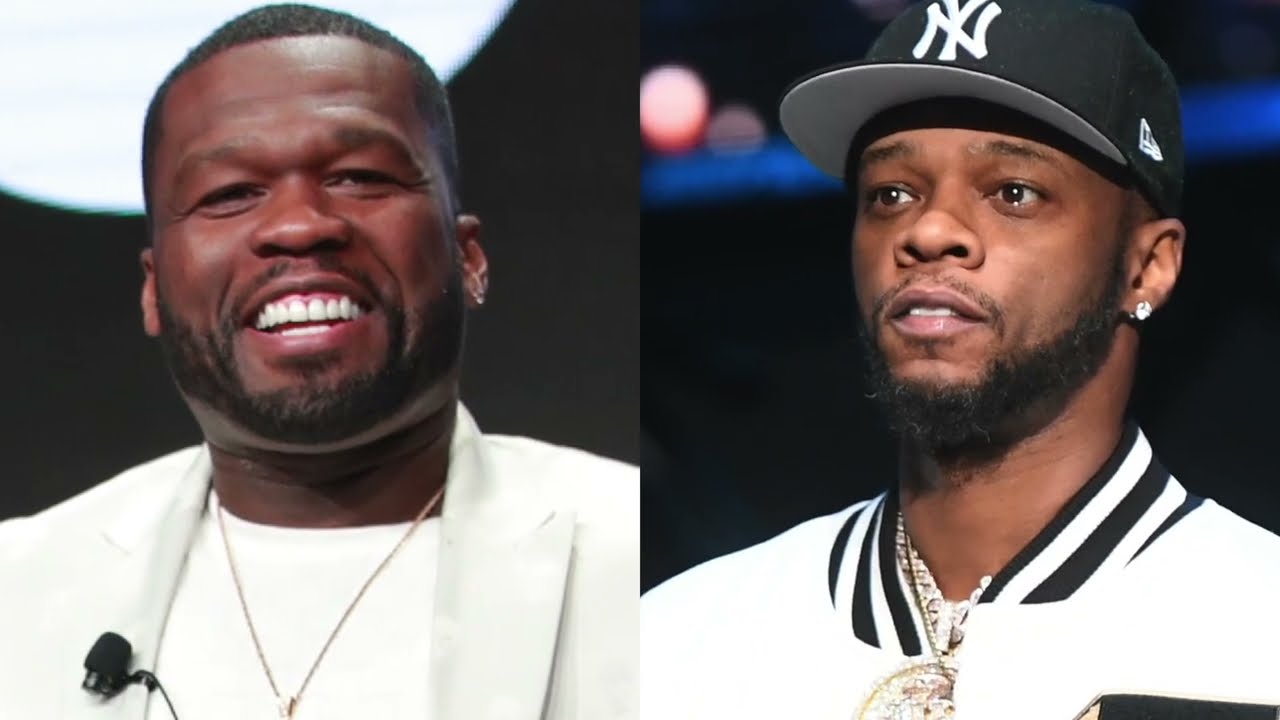
“From a strategic standpoint, 50 Cent has nothing to gain and everything to give by responding on wax,” noted music industry strategist Vanessa Fischer. “He is leveraging his immense legacy and commercial power to set terms that are nearly impossible for his challengers to meet. It reframes the narrative entirely around his strengths.”
The challenge places the onus squarely on Papoose and Fabulous. Papoose, while widely respected for his technical lyricism, has never had a major chart-topping single. Fabulous has a stronger commercial history with hits like “Throw It in the Bag,” but his recent streaming numbers, while significantly higher than Papoose’s, still pale next to 50 Cent’s empire.
In the aftermath of the ultimatum, Papoose revealed the diss track snippet was actually from an older recording, dating back to December 2025. He accused 50 Cent of being “paranoid” and starting a “𝒻𝒶𝓀𝑒 beef,” while questioning when 50 himself last had a hit. This retort, however, does not address the core challenge of producing a new, commercially successful song.

The hip-hop community is now watching to see if any of the involved parties can rise to meet 50 Cent’s demand. The condition transforms the feud from a traditional clash of egos into a high-stakes test of market viability. For 50 Cent, it is a powerful way to dismiss his detractors without ever having to step into a recording booth on their terms.
This move also serves as a pointed commentary on the evolution of hip-hop success. 50 Cent, a master of blending street credibility with pop appeal, is emphasizing that in today’s industry, cultural impact is inextricably linked to consumption metrics. His legacy is secured not just by classic diss tracks like “How to Rob,” but by decades of streaming revenue and global brand building.
As the story develops, the pressure shifts. The ball is now in the court of Papoose, Fabulous, Jim Jones, and Ma$e. To force 50 Cent’s hand, they must do more than craft clever insults; they must create a song that resonates with the masses on a scale they have not achieved in years, if ever. Until that happens, 50 Cent’s message is clear: the conversation is over.