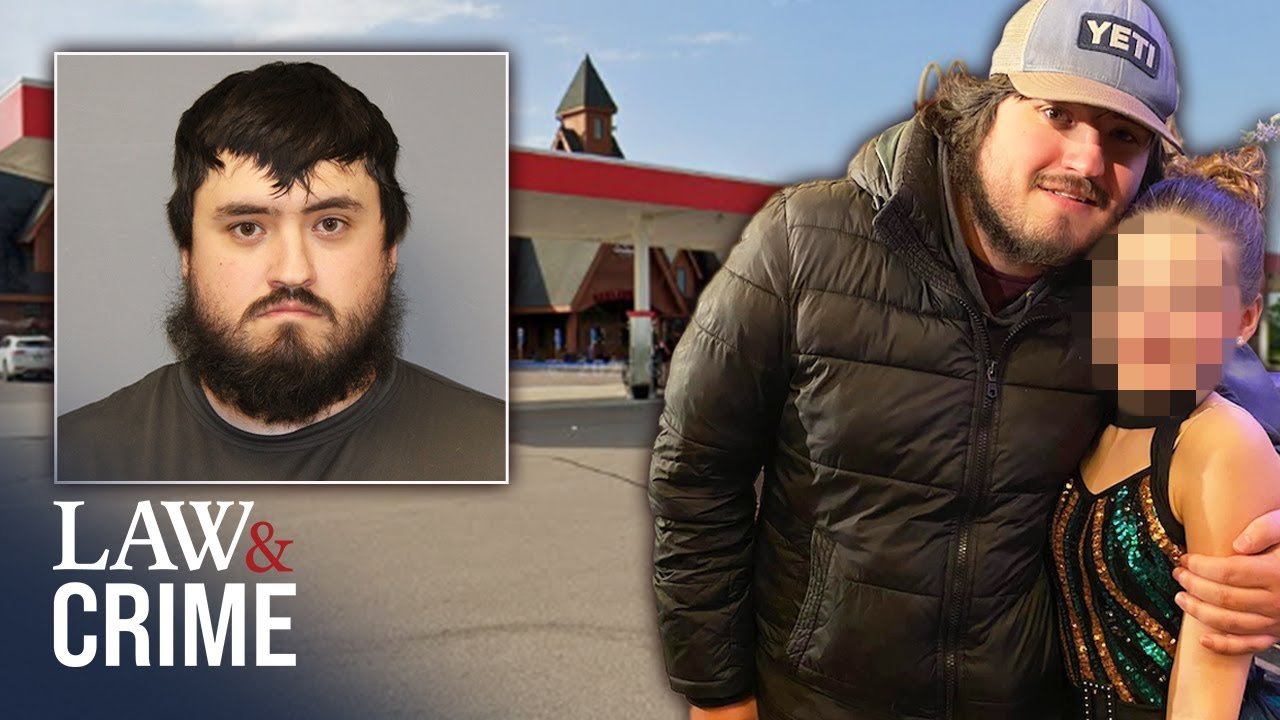
A Minnesota man stands accused of orchestrating a calculated, predatory abduction of a seven-year-old girl from her bus stop before allegedly sexually assaulting her, with newly released court documents revealing a chilling trail of online stalking that led him to his victim. Joseph Bragg, 28, is now in custody on a staggering $4 million bond, facing charges of first-degree criminal 𝒔𝒆𝒙𝒖𝒂𝒍 conduct and kidnapping, crimes that could see him imprisoned for up to 70 years if convicted.
 The nightmare began on the afternoon of January 21st in the quiet community of Zimmerman, roughly an hour north of Minneapolis. The young girl, whose identity is being protected, was dropped off at her usual bus stop around 3:30 p.m. but never arrived home. Initial confusion among family about pickup arrangements quickly turned to panic, prompting a 911 call approximately three hours after her disappearance.
Law enforcement’s review of surveillance footage showed the girl walking toward her home before turning back toward the bus stop and vanishing from view before 4:00 p.m. The scene descended into chaos as tips flooded in, including one about a black passenger car following the school bus, though investigators later determined that vehicle was unrelated. The true breakthrough came not from street-level evidence, but from a digital footprint and a mother’s disturbing recollection.
According to a criminal complaint, the girl’s mother told police she had an unsettling online interaction in early December with a Facebook profile under the name Joseph Bragg. Believing she might know him from his profile picture, she accepted his friend request. She soon realized he was a stranger who began asking intrusive questions about her family, specifically if she had children.
The complaint states Bragg expressed a desire to have children and “was not discouraged to learn a woman already had children.” He allegedly went further, indicating “a desire to engage in activities with children,” and claimed to work in child care. The mother blocked him, but the encounter would later become the critical lead.

As investigators pieced together the timeline, they issued an Amber Alert. The alert included crucial details developed through “investigative techniques”: the suspect was potentially driving a white Dodge Ram pickup truck with Tennessee plates. Cell phone location data indicated the suspect was moving south, toward the Iowa border.
The community of Zimmerman rallied in a massive grassroots search effort, with dozens of volunteers braving the cold night to canvass the area. Meanwhile, police were closing in. At 12:34 a.m., an officer in Albert Lea, Minnesota—a town two hours south of Zimmerman near the Iowa border—spotted the distinctive truck with Tennessee plates at a gas station.
Authorities conducted a traffic stop. Bragg was behind the wheel. The truck’s cab was so filled with items it was difficult to see inside, but an officer eventually observed a young girl with blonde hair in the back seat, seated in a child’s booster seat. When asked who was with him, Bragg allegedly gave a false name. The seven-year-old victim was safely recovered and is now with her family, beginning what will undoubtedly be a long recovery.

The investigation into Bragg’s actions and planning reveals a deeply disturbing premeditation. Court documents allege he rented the truck and had reserved a hotel room in the area from December 27th to January 21st. Video shows him carrying a large suitcase into the hotel. Police who searched the room found several items, including unused diapers.
Most harrowing, a forensic interview with the child led authorities to believe she was sexually assaulted at that hotel location. Location data also placed Bragg’s phone in the vicinity of the victim’s bus stop on the day of the abduction and the day prior, suggesting surveillance.
Further scrutiny of Bragg’s online activity paints a picture of a predator allegedly infiltrating spaces meant for parents. Administrators of a Minnesota Facebook group for mothers seeking babysitters posted warnings that Bragg had been a member and had been banned following his arrest. Screenshots shared by other mothers appear to show Bragg messaging them, offering babysitting services with phrases like, “If you’re okay for a male to look after your kids, I can be a babysitter.”
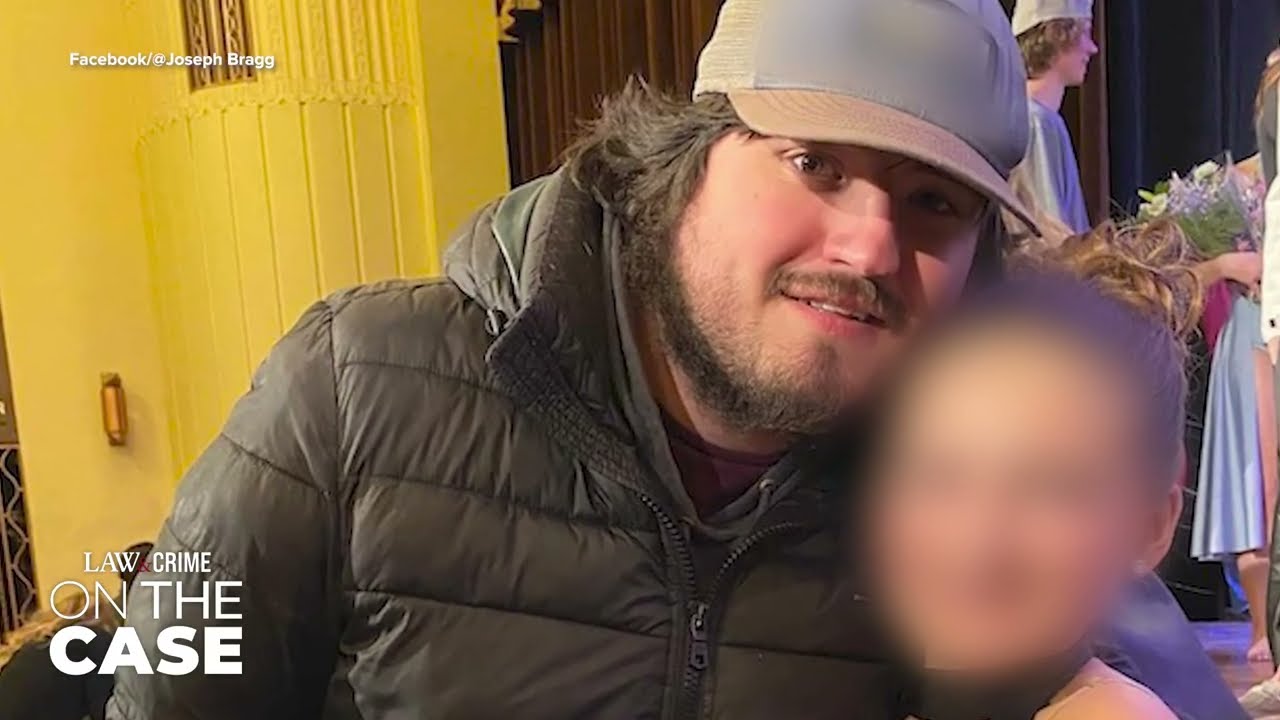
His own Facebook profile, now scrutinized by investigators, featured photographs of him with a young girl, though her identity and relationship to him remain unclear. Law enforcement officials, while confirming a “social media tie” during a news conference, have been reticent to elaborate, noting it remains an active part of the investigation to determine if there are other potential victims.
“I’d really be surprised if this was the first victim,” said retired Chicago Police Detective Commander Will Felar during an analysis of the case for Law & Crime. “It sounds like this guy was planning stuff out… Somebody like this who’s going to take the time to do all this research and disguise himself as something else… I think there’s going to be more victims unfortunately.”
The case highlights the terrifying evolution of predatory threats in the digital age, where strangers can research, target, and surveil families from behind a screen before striking in the physical world. It also underscores the critical importance of community vigilance and rapid, coordinated law enforcement response.
While the criminal justice process is just beginning for Joseph Bragg, who has refused to provide a statement to police, the immediate rescue of the child is being hailed as a success of the Amber Alert system and detailed police work. The combination of a mother’s vigilance, precise digital evidence, and an alert officer on a rural highway culminated in an arrest that ended a statewide nightmare, even as the profound trauma inflicted on a young child continues to resonate.