A former cornerstone of the storied G-Unit crew has launched a blistering public critique of its leader, alleging a profound betrayal and shedding new light on the internal fractures that led to his abrupt departure. Spider Loc, a West Coast rapper once integral to the group’s expansion, has broken a years-long silence in a revealing interview, directly challenging 50 Cent’s narrative and accusing him of abandonment and artistic suppression.
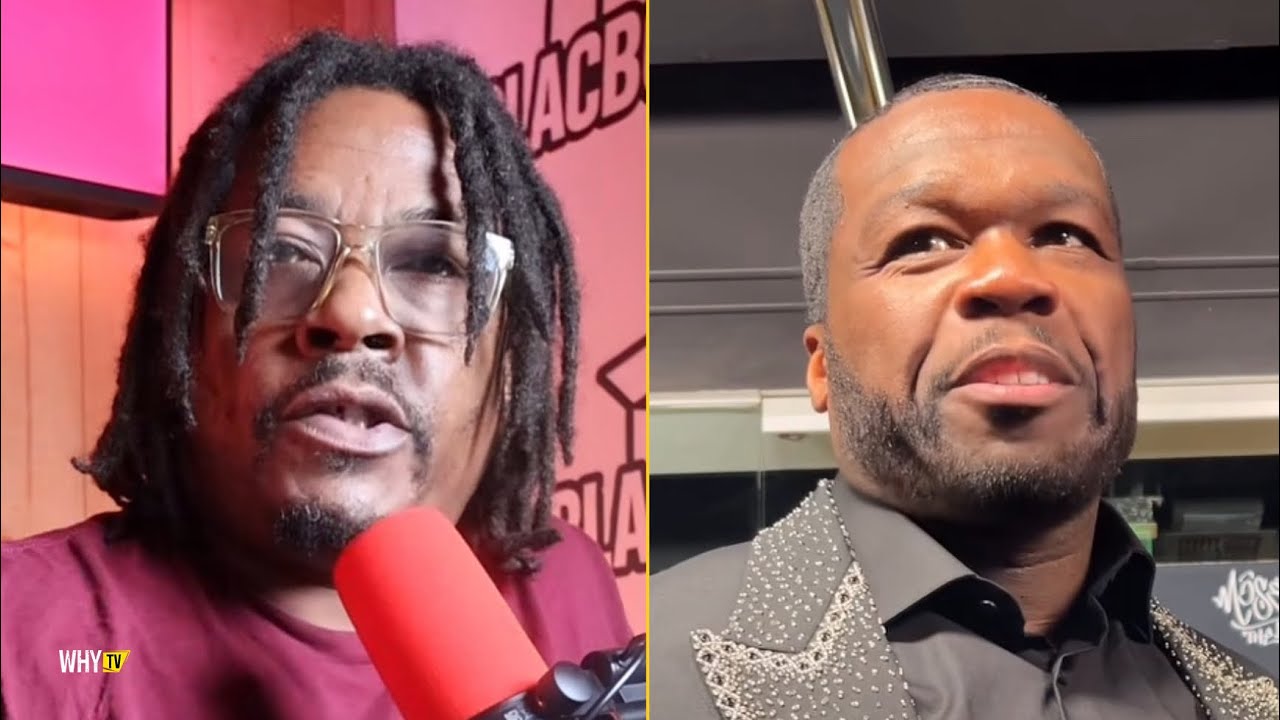 In a detailed conversation with Channel YTV, Spider Loc described his exit from G-Unit Records not as a formal dismissal but as a sudden, unexplained severance of all communication. He characterized the move as a complete “blind side,” asserting that prior interactions indicated a positive and ongoing partnership. “The communication included just ceased without no warning,” Spider Loc stated, emphasizing the personal and professional betrayal he felt from the superstar he once considered a close ally.
The rapper’s journey into the heart of hip-hop’s most formidable camp began in 2004 after a friendship with then-member Young Buck led to an introduction to 50 Cent on the set of the “I Want to Ride” video. Signed just months later, Spider Loc quickly became a visible symbol of G-Unit’s coast-to-coast dominance, featuring prominently on albums like Tony Yayo’s “Thoughts of a Predicate Felon.” His distinctive voice and hardened demeanor were touted as evidence of the unit’s relentless reach.
However, Spider Loc claims that following this initial period, the support system evaporated. He alleges that 50 Cent offered no backing for his solo mixtape endeavors and provided no promotional push for his single “Beautiful World,” leaving the project to languish. This lack of support, he suggests, was a deliberate stifling of his musical evolution, contradicting the label’s role in developing its artists.

The interview also serves as a direct rebuttal to recent statements from 50 Cent, who has expressed a desire to distance himself from the G-Unit legacy in certain contexts. Spider Loc’s account paints a picture of a fractured brotherhood, where loyalty was demanded but not reciprocated. His claims challenge the publicly curated image of the camp, suggesting deeper interpersonal conflicts behind the group’s well-documented business disputes and eventual fragmentation.
This public airing of grievances reignites long-simmering questions about the internal dynamics of G-Unit during its mid-2000s peak. Spider Loc’s tenure coincided with the unit’s greatest commercial influence but also with the beginning of its high-profile rifts, including the departures of The Game and Young Buck. His testimony adds a new, personal dimension to that history of fallout.

The rap community and fans are now dissecting these 𝒶𝓁𝓁𝑒𝑔𝒶𝓉𝒾𝓸𝓃𝓈, debating the classic dichotomy of artistic freedom versus label control. Some view Spider Loc’s account as a credible expose of 50 Cent’s notoriously cutthroat business style, while others speculate it may be fueled by lingering resentment over a stalled career. The truth, as always in such he-said, he-said conflicts, likely resides in the nuanced space between both perspectives.
As the story trends across social media and hip-hop platforms, all eyes are on 50 Cent for a response. The mogul, known for his swift and often merciless clapbacks on social media, has yet to publicly address Spider Loc’s detailed claims. This silence itself is fueling further speculation and analysis, with many anticipating a characteristically explosive rebuttal that could escalate this dormant feud into a full-blown war of words.
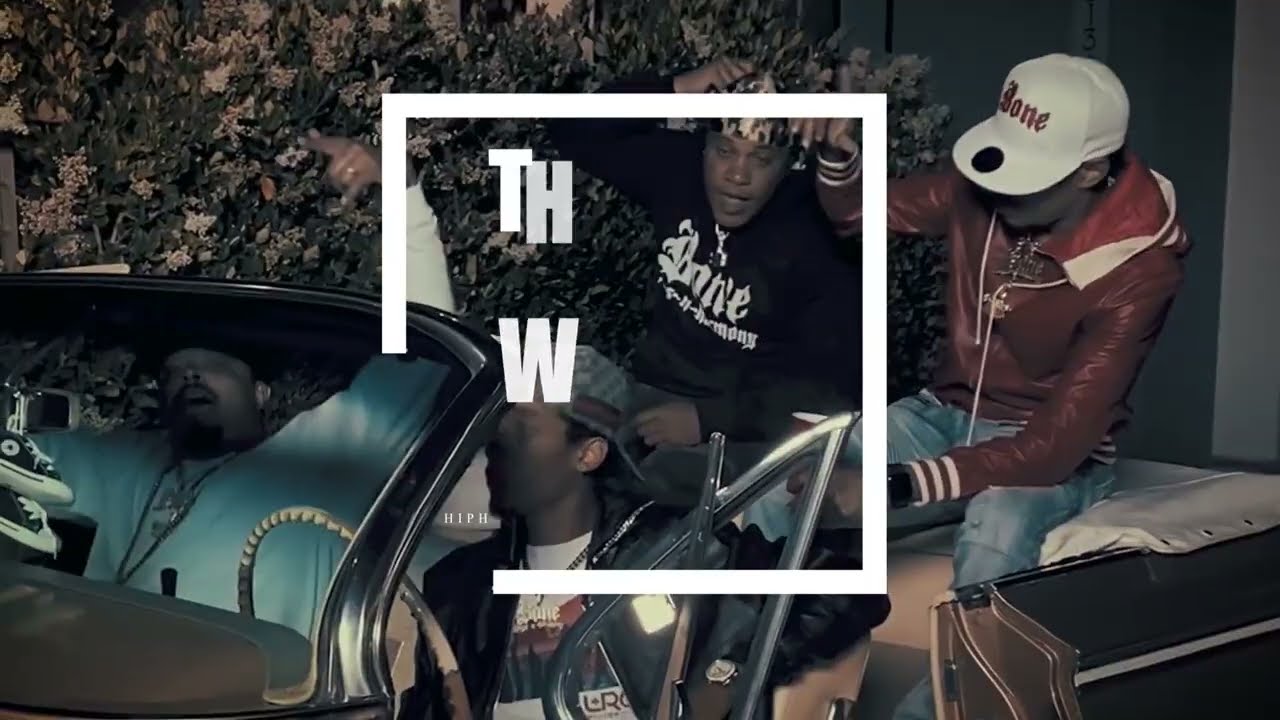
The implications of this revelation extend beyond personal 𝒹𝓇𝒶𝓂𝒶, touching on the enduring legacy of one of hip-hop’s most iconic collectives. It prompts a re-examination of the cost of ambition within the machinery of fame and the fragile nature of alliances in an industry built on both camaraderie and competition. For the fans who lived through G-Unit’s reign, Spider Loc’s story is a jarring footnote to an era defined by anthems of unity that now ring with a hint of irony.
This development underscores the perpetual cycle of reflection and reckoning in hip-hop, where history is continually revised by those who lived it. Whether Spider Loc’s account will significantly alter public perception of 50 Cent’s leadership remains to be seen, but it has undoubtedly ripped the scab off an old wound, proving that within the world of G-Unit, the past is never fully settled. The digital court of public opinion is now in session, with the verdict on this complex legacy still fiercely contested.